




 Admin
Admin September 22, 2026
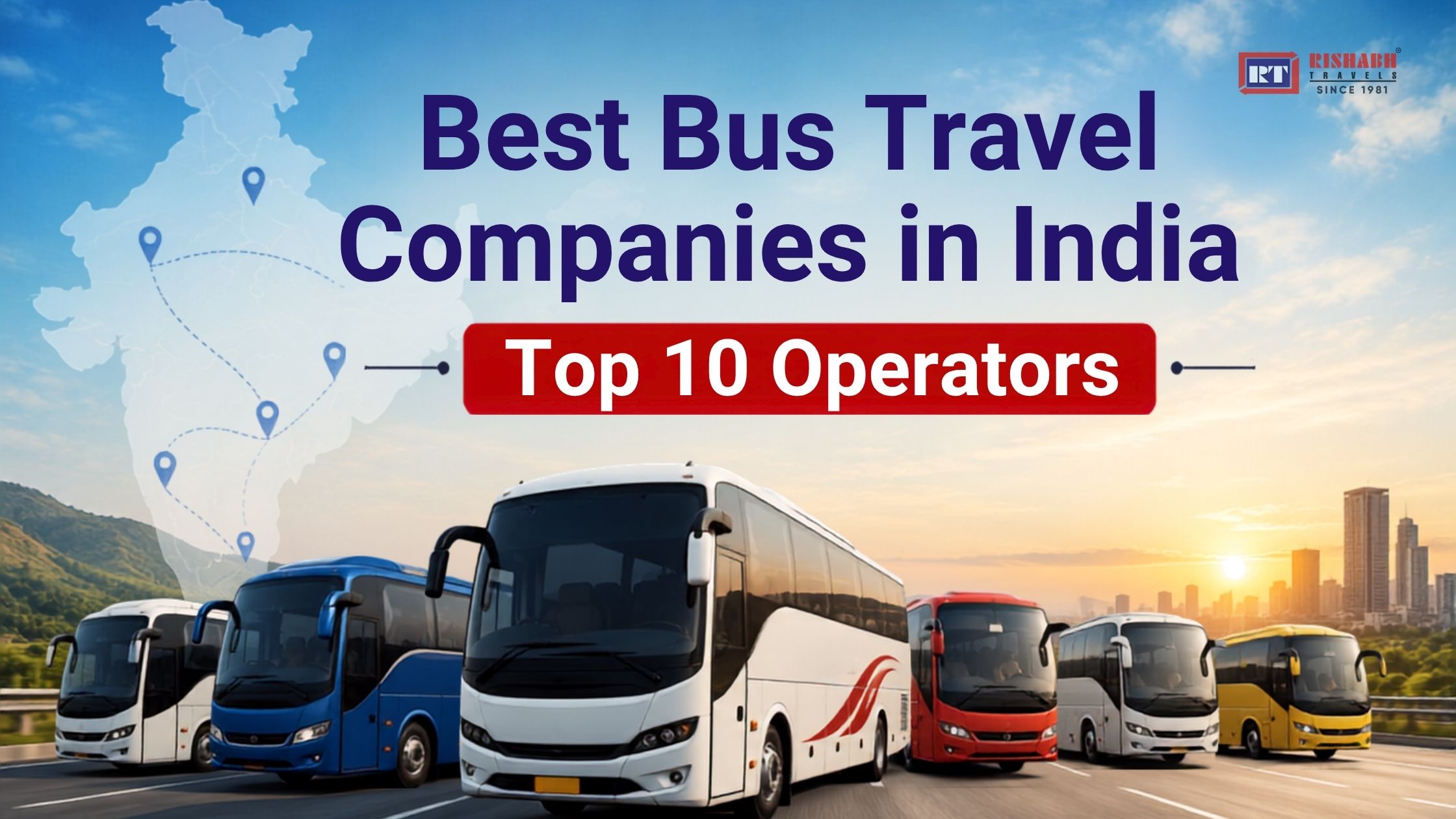
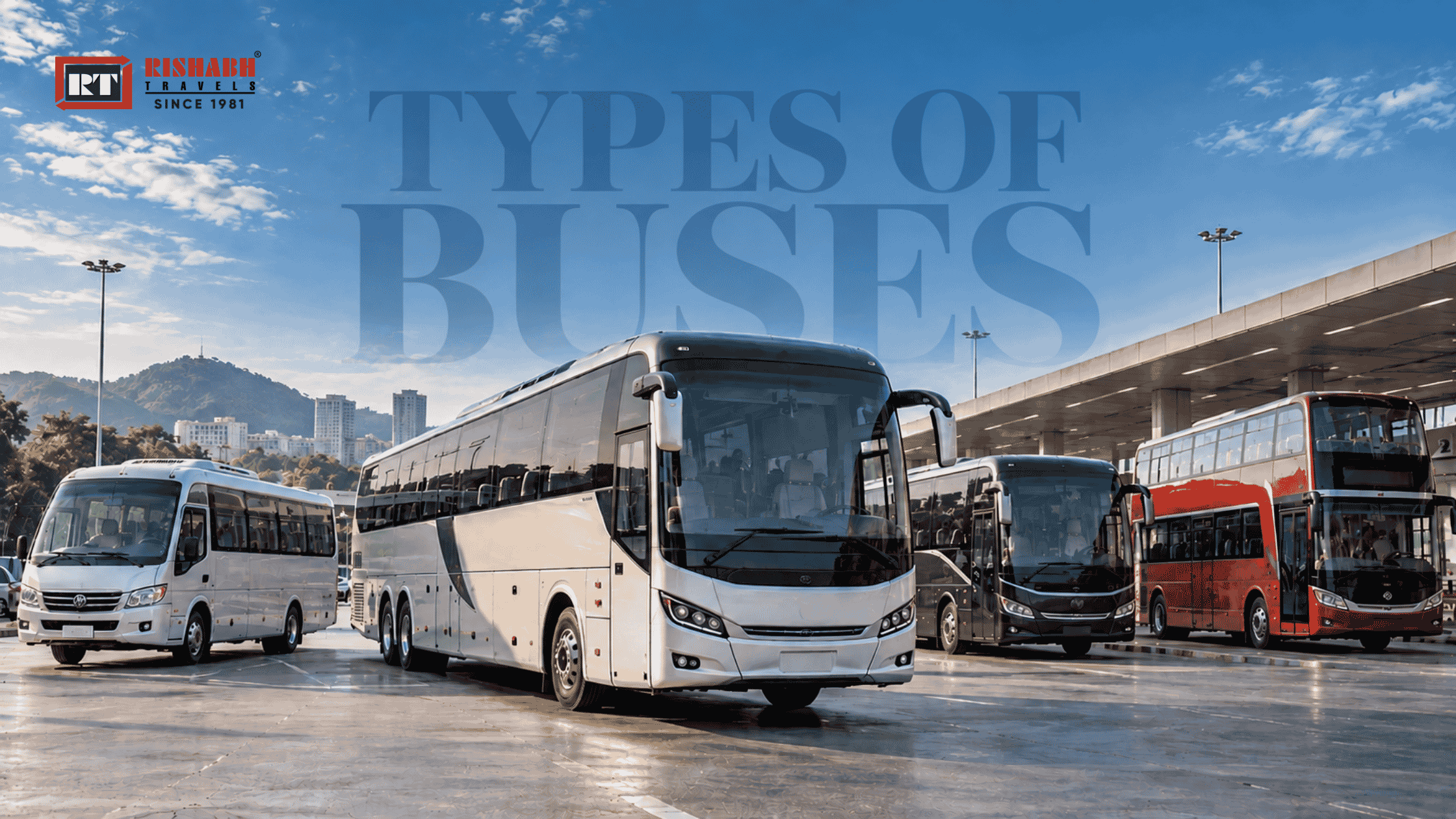
There is no single fixed number of bus types. Buses can be classified by their design, size, seating arrangement, comfort and purpose. Common examples include seater, semi-sleeper, sleeper, mini, coach, tourist, city, intercity, single-decker and double-decker buses.
The same bus can also belong to more than one category. For example, a Volvo bus may be a sleeper bus used for intercity travel. Understanding these categories makes it easier to compare buses and choose one that fits your route, group size and travel needs.
How Are Buses Classified?
There are several ways to classify passenger buses in India:
- Design: Single-decker, double-decker and articulated buses
- Size: Mini, mid-size and large-capacity buses
- Seating and comfort: Seater, semi-sleeper and sleeper buses
- Purpose: City, intercity, tourist and staff transportation buses
These categories can overlap. A large coach may be a sleeper bus because of its berth arrangement and an intercity bus because of the route it operates on.
For example, a Volvo 9600 sleeper used on an intercity route can be described as a Volvo bus by manufacturer, a sleeper bus by seating arrangement and an intercity bus by purpose. This is why there is no universal list that covers every bus type.
Different Types of Buses Explained
Seater, Semi-Sleeper and Sleeper Buses
Seating arrangement is one of the easiest ways to understand the difference between bus types. The three common options are seater, semi-sleeper and sleeper.
Seater Bus
A seater bus has regular passenger seats arranged in rows. Depending on the vehicle and service, it may be available as an AC seater bus or a non-AC seater bus.
An AC seater is useful when the weather is hot or the trip lasts several hours. A non-AC seater can work well when air conditioning is not a priority.
Seater buses are commonly used for daytime travel, local routes, tours, intercity services and group transportation. The exact number of seats and layout depends on the vehicle.
Semi-Sleeper Bus
A semi-sleeper bus has reclining seats that allow passengers to lean back further than they can in a regular seater. Some buses also provide additional leg support.
This arrangement sits between a standard seat and a full sleeper berth. It can be a comfortable option for medium or longer trips when passengers want to rest without needing a bed-style berth.
Sleeper Bus
A sleeper bus uses berths instead of conventional passenger seats. This allows travellers to lie down during the journey and makes sleeper buses particularly useful for overnight travel.
Sleeper buses may have both upper and lower berths. The upper berth can provide a more private space while the lower berth is generally easier to access.
A 2+1 sleeper bus has two berths on one side and one berth on the other side of the aisle. The exact layout can vary between vehicles.
Sleeper buses are available in AC and non-AC versions. Their sleeper bus capacity also varies according to the length of the vehicle and berth arrangement.
If you are specifically looking for a sleeper bus with toilet, check the facilities of the actual vehicle before booking. Toilet availability is not standard across all sleeper buses. Some services instead include scheduled stops during longer routes.
Mini, Mid-Size and Large Buses
Bus size is another useful way to understand different bus types. The right size depends mainly on the number of passengers, luggage requirements and route.
Minibus
A minibus is smaller than a standard full-size bus. It works well when a group needs more space than a car can provide but does not require a large coach.
Minibuses are commonly used for smaller groups, local trips, short tours and some corporate transportation requirements.
Midibus and Minicoach
A midibus sits between a minibus and a full-size bus in terms of size. A minicoach is another compact option for group transportation.
These vehicles are useful when the group is too large for a few cars but does not need the capacity of a full-size bus. The seating arrangement and capacity can differ between models.
Standard and Large-Capacity Buses
Full-size buses are designed to carry larger groups of passengers. They are commonly used for intercity travel, tourism, staff transportation and organised group trips.
There is no single bus seating capacity that applies to every large bus. The number of seats depends on vehicle length, seat design, aisle space and overall configuration.
The same applies to bus seating arrangement. A bus may have different layouts depending on whether it is designed for regular seating, premium travel, sleeping berths or another purpose.
Coach, Volvo and Tourist Buses
Coach, Volvo and tourist bus are often mentioned together but they do not describe the same thing. Each term refers to a different way of identifying a bus.
Coach Bus and Motor Coach
A coach bus is generally designed for longer-distance passenger travel. Compared with many city buses, coaches usually place more emphasis on comfortable seating and luggage space for longer journeys.
A motor coach can be used for intercity trips, tours, group travel and other routes where passengers spend several hours on the road.
Volvo Bus
A Volvo bus refers to a bus made by Volvo. It is not a single seating category.
Volvo vehicles can have different configurations depending on the model and service. They may be used as premium seater coaches or in sleeper configurations.
A Volvo bus can therefore be a seater, sleeper or intercity bus depending on its configuration and use.
This distinction is useful when comparing bus types because the manufacturer does not always tell you the seating arrangement. Always check the actual model and configuration before booking.
Luxury and Premium Buses
Luxury buses focus on a higher level of passenger comfort. Depending on the vehicle, they may include better seating, improved suspension, more interior space or additional passenger facilities.
They are often selected for long-distance trips, corporate travel, special events and other situations where comfort is an important part of the travel experience.
Tourist Bus
A tourist bus is generally used for sightseeing, organised tours and group travel. The facilities can vary depending on the vehicle and route.
For a multi-day tour, practical details such as luggage space, air conditioning, seating comfort and the number of stops can matter as much as the bus category itself.
City, Intercity and Special-Purpose Buses
Another way to classify buses is by where they operate or what they are used for.
City Bus
City buses are designed for local transportation within urban areas. They usually operate on fixed routes and make frequent stops to pick up and drop off passengers.
Intercity Bus
An intercity bus connects two or more cities. These services can use several configurations including regular seaters, semi-sleepers, sleepers and premium coaches.
The right option depends on the distance, travel time and level of comfort required.
Shuttle Bus
A shuttle bus normally operates between specific locations over a shorter route. Airports, hotels, offices and other organisations may use shuttle services to move passengers between designated points.
School Bus
School buses are used to transport students between schools and residential areas. Their design and operating arrangements are focused on student transportation.
Staff Transportation Bus
Staff transportation buses help companies move employees between designated pickup points and workplaces. Passenger capacity, route planning, pickup timings and shift schedules are important when choosing this type of service.
Other Common Bus Designs
Not every bus category is based on seating or purpose. Some are identified by their physical design.
Single-Decker Bus
A single-decker bus has one main passenger level. It is a common design used for city, intercity, tourist and other passenger services.
Double-Decker Bus
A double-decker bus has two passenger levels. Its two-floor design allows more passengers to travel within a similar road footprint.
These buses are commonly associated with city transportation and sightseeing services.
Articulated Bus
An articulated bus has two sections connected by a flexible joint. The design gives the bus additional passenger capacity while allowing it to move through roads and turns more easily than a rigid vehicle of the same overall length.
Low-Floor Bus
A low-floor bus has a lower passenger floor near the entrance. This can make boarding easier and is particularly useful for accessible urban transportation.
Some buses also use a semi-low-floor design, which sits between a low-floor and a standard step-entry layout.
Open-Top Bus
An open-top bus has an open upper section and is commonly used for sightseeing. It gives passengers a more open view of the surrounding area during tours.
How to Choose the Right Type of Bus?
The right bus depends on what your trip actually requires. Start with the journey rather than the name of the vehicle.
Short trips: A regular seater may be enough when the journey is short and you are comfortable sitting upright.
Long-distance travel: Semi-sleeper, sleeper or coach options may be more suitable when you will spend several hours on the road.
Overnight travel: A sleeper bus provides a berth where passengers can lie down and rest. A semi-sleeper can work when a full berth is not necessary.
Small groups: A minibus or smaller group vehicle may make more sense than hiring a large-capacity bus.
Large groups: A full-size bus keeps the group together and provides more passenger capacity and luggage space.
Premium travel: Luxury coaches or premium Volvo options may suit travellers who place more importance on seating comfort and the overall travel experience.
Sightseeing: A tourist bus can work well for organised group tours, especially when passengers need to travel together between several locations.
Corporate or staff travel: The vehicle should match the number of employees, pickup points, working shifts and route requirements.
What to Check Before Booking a Bus?
Once you know which type of bus suits your trip, check the actual vehicle details before confirming the booking. The same category can have different layouts and facilities.
Passenger capacity: Make sure there are enough seats or berths for everyone and consider the amount of luggage your group will carry.
Seating arrangement: Confirm whether the vehicle has regular seats, reclining seats or berths. For sleeper buses, check the upper and lower berth arrangement.
AC or non-AC: Consider the weather, travel duration and comfort requirements before choosing between AC and non-AC.
Travel duration: A seating arrangement that works for a short trip may not be as comfortable for an overnight journey.
Luggage space: Ask about luggage capacity if your group is travelling with multiple bags or equipment.
Onboard facilities: Check which facilities are actually available in the selected vehicle. Do not assume that every bus in the same category offers the same features.
Boarding and drop-off points: Confirm the pickup and drop-off locations before booking. This is especially important for large groups.
Vehicle configuration: If the exact seating or berth layout matters to you, ask for the specific bus model and configuration before confirming.
Different Types of Buses at a Glance
| Bus Type | Main Feature | Common Use |
| Seater Bus | Regular passenger seats | Day travel |
| Semi-Sleeper | Reclining seats | Medium and long journeys |
| Sleeper Bus | Berths for resting | Overnight travel |
| Minibus | Compact size | Small groups |
| Coach Bus | Designed for longer travel | Intercity travel |
| Volvo / Premium Bus | Premium vehicle configuration | Long-distance travel where premium comfort is preferred |
| Tourist Bus | Group travel setup | Tours and sightseeing |
| Double-Decker | Two passenger levels | High-capacity or sightseeing use |
Planning Your Next Bus Trip
Choosing a bus becomes easier when you know what your trip requires. Consider the travel distance, number of passengers, luggage and the level of comfort you want before making a decision.
If you are planning a group trip or travelling between cities, Rishabh Travels can help you choose a suitable bus based on your route and requirements. You can explore the available bus rental options or check the intercity bus services before planning your trip.
Need help choosing the right bus? Get in touch with us to discuss your travel requirements.
Frequently Asked Questions
1. How many types of buses are there in India?
There is no fixed number of bus types in India. Buses can be classified by their size, design, seating arrangement and purpose, such as seater, sleeper, coach, tourist, city and intercity buses.
2. Which type of bus is best for long-distance travel?
A semi-sleeper, sleeper or coach bus can be suitable for long-distance travel. The right choice depends on the travel duration, seating comfort, route and whether you are travelling during the day or overnight.
3. What is the difference between a seater and sleeper bus?
A seater bus has regular passenger seats while a sleeper bus has berths where passengers can lie down. Sleeper buses are commonly used for overnight and longer journeys.
4. What is a 2+1 sleeper bus?
A 2+1 sleeper bus has two berths on one side of the aisle and one berth on the other side. This arrangement provides more space per passenger than some wider berth layouts.
5. Does every Volvo bus have sleeper seats?
No. A Volvo bus does not have one fixed seating arrangement. Depending on the model and configuration, it can be a seater, sleeper or intercity bus.